• 10 posts
  • 0 comments
Joined 9 months ago
Cake day: December 25th, 2025

Conservation groups have welcomed an 11th-hour decision to protect “precious and important habitat” on South Australia’s Eyre peninsula from plans for a rocket launching facility.

The Whalers Way “orbital launch complex”, which could see as many as 42 rockets a year take off from conservation land, had already been approved under federal and state planning and environment laws.

But a recent decision by the state’s independent Native Vegetation Council could scuttle the space project, located about about 32km from Port Lincoln.

A state government spokesperson said Southern Launch had been told that its application to vary the heritage agreement had been rejected.

It could alter the application and send the matter back to the Native Vegetation Council for reconsideration, however.
Fathers would receive perinatal mental health screening alongside their partners, under one proposal to be canvassed by a parliamentary inquiry.

One in 10 fathers experience postnatal depression, with research indicating that when fathers are better supported, so too are mothers.

Fathers and advocates are being encouraged to share their experiences with a Senate inquiry examining postpartum health care.

The new figures are more than double the previous estimate due to a change in the way the chronic illness is recorded.

Advocates say the new statistics highlight the need for more urgent action and investment in neurological conditions.

“Migraine is more prevalent than diabetes … but I think at the moment it’s just dismissed as someone having a headache and needing Panadol,”

In Australia, neurological conditions such as migraine, dementia and epilepsy were the fifth leading cause of disease burden, which measures the impact of living with illness and injury and dying prematurely.

Positive news but…

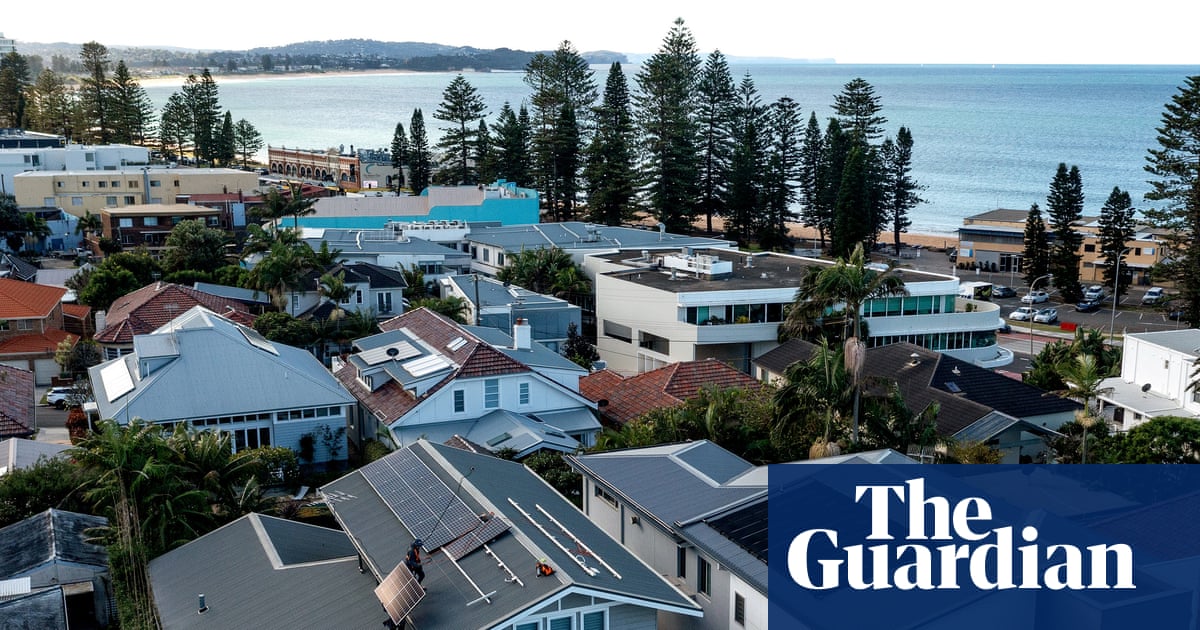
While the renewables record was a sign of progress and illustrated that Australia was “marching towards a higher penetration renewable energy system”, it was not the main game in terms of emissions, he said.

“From an emissions perspective, what matters is the annual contributions and how much coal we are burning.”

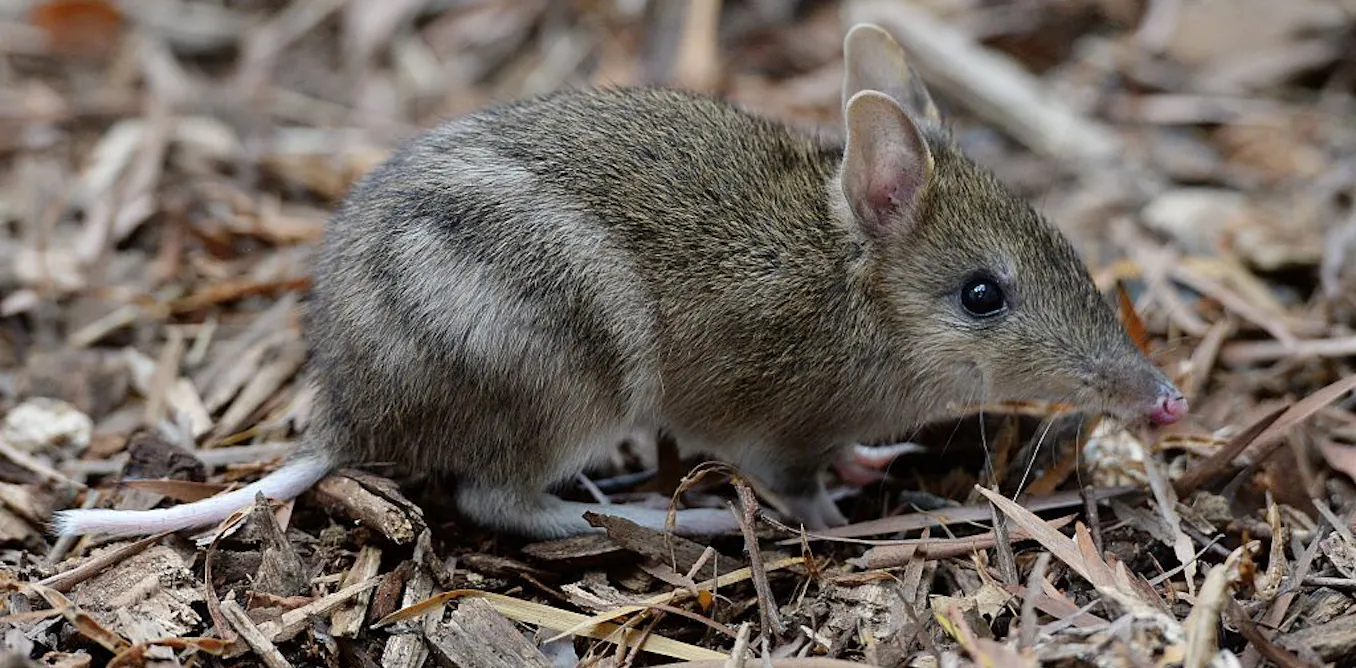
I was just listening to the radio and heard the author of this interesting article talk about the misunderstood little bandicoot.

I get these guys at my place. I wake up to often finding small holes all over the ground from the nightly bandicoot search for grubs, insects and fungi. They are a threatened species and unlike their awful reputation have a very positive role to play in the environment.

They’ve been around for millions of years but have been decimated since European colonisation (what’s new?). The article also includes a tiny video of a bandicoot doing his work.

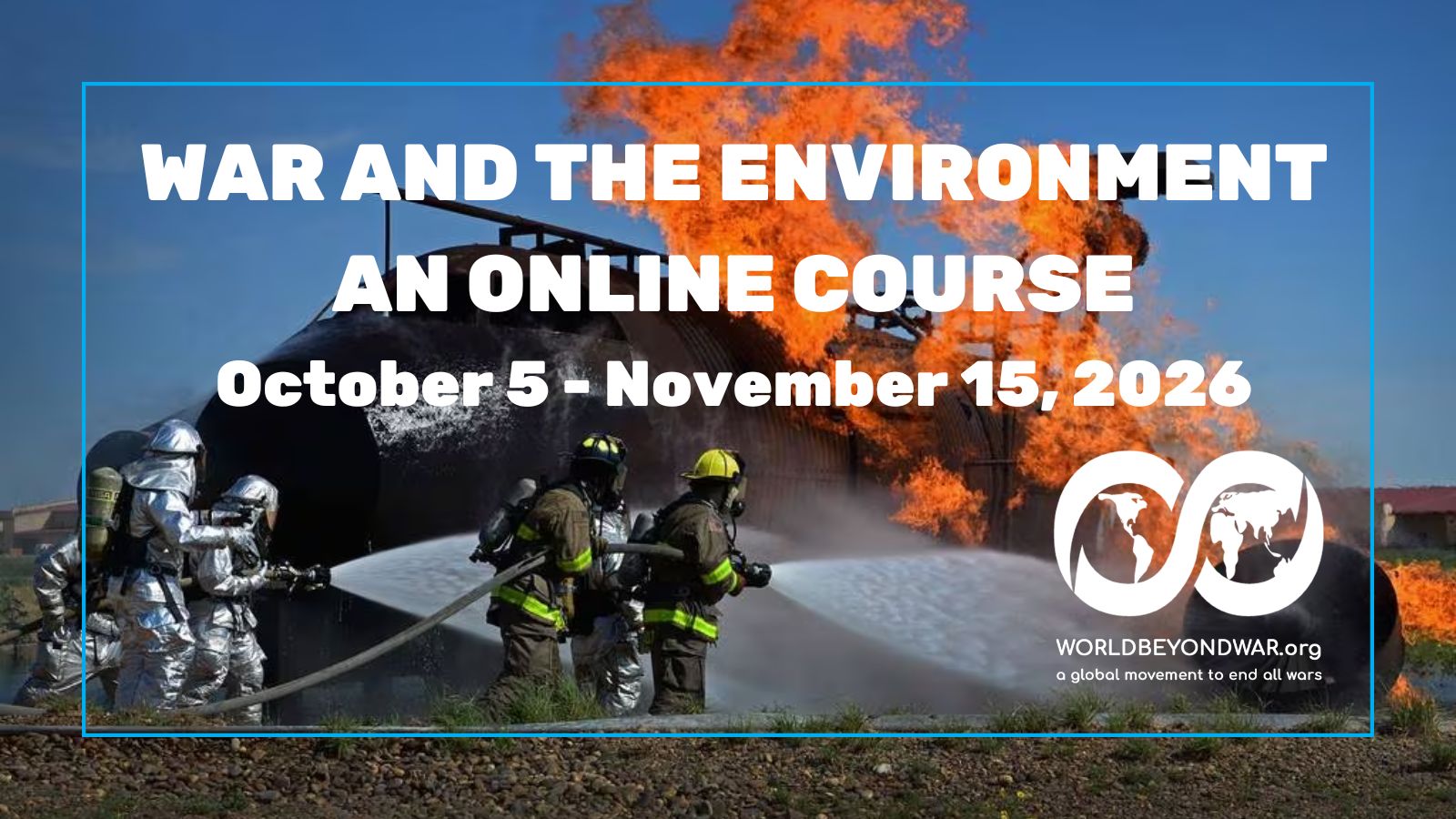
Considering how we are in a critical situation worldwide and we have a lot of highly strategic military bases in Australia, this course may be of interest to those who want to be better informed. Please pass on to others like students and peace groups.

War and the Environment is a six-week online course exploring how war, preparations for war, and militarism affect the climate and environment — and what can be done to reduce these harms and build more peaceful and sustainable alternatives.

War’s environmental footprint extends far beyond the battlefield. It begins before fighting starts and can continue for generations afterwards. Military bases, weapons production and testing, training exercises, resource and energy use, nuclear weapons, armed conflict, toxic contamination, and the destruction of land, water, infrastructure, and ecosystems all carry environmental costs. At a time of growing climate and ecological pressures, understanding these connections is increasingly urgent.

Across six modules, participants examine why wars happen, what wars do to the Earth, the environmental costs of preparing for war, nuclear weapons and their legacies, why many of these harms remain hidden and sustained, and what can be done in response. Combining evidence, examples from different parts of the world, discussion, reflection, and practical application, the course connects understanding with action across peace, anti-war, climate, and environmental work. No prior specialist knowledge is required.

Click on title for more details and to register.

But this special place and its iconic species remain vulnerable after drastic cuts to marine sanctuary protections in 2018. 

Science shows sanctuaries lead to more fish, bigger fish and healthier marine life, and that these benefits can spill over into waters far beyond sanctuary borders, replenishing our oceans in a win-win for nature, sustainable fishing and tourism.

With Australia’s Coral Sea Marine Park up for its 10-year review, you can help urge the Albanese government to increase sanctuary protection based on science and First Nations’ aspirations to protect this national treasure for future generations.

"Previously unknown rainforest communities with unique vegetation have been found in eastern Australia’s Greater Blue Mountains World Heritage Area.

Rainforests in the region extend 3 to 4 times greater than the NSW government’s current State Vegetation Type Map.

The Greater Blue Mountains Area is about 1.03 million hectares of sandstone plateaus, escarpments and gorges beginning about 60km west of Sydney. It covers an area roughly the size of Lebanon.

It is home to nearly 100 species of eucalyptus and protects the ancient “living fossil” Wollemi pine which was once thought to be extinct. The Blue Mountains provide critical habitats for more than 400 vertebrate animal species.

The breathtaking geology – including 300-metre cliffs, waterfalls and canyons – preserve a 300-million-year record of sedimentary rock layers. It is both an historical and living representation of the diversification of eucalypts following the separation of Australia from the rest of the supercontinent Gondwana beginning about 140 million years ago.

This lush ecosystem has only become richer with the new findings."

https://connectsci.au/news/news-parent/9938/Hidden-Australian-rainforests-protected-by-rugged?searchresult=1

I was thinking that as it seems times aren’t going to get easier that there should be a section aiming at supporting each other with practical info and also discussing issues to do with family or solo life, children, ageing and health.

Let me know your thoughts and if you like the concept, can you think of alternative names for the community? Let’s see what we can come up with.