

Sharing this now because I only heard the news these last few days.

6 days
Thankfully redlib still works
For now
Thankfully redlib still works
For now
They’re concerned about AI scraping. They want to sell access to users’ content for training, not let the AI in for free.
I go on Reddit read-only fairly often, but these days it’s quite rare that I’ll post or comment. And when I do I always take the opportunity to promote the fediverse.
The users found the Discord because they searched for their problem and the result was a recommendation to join the Discord.
If the answer had been indexable by search engines, the search engine would have found the answer and given it to the user. No need to even log in.
Matrix is a bit of a shit show
How so?
and also isn’t a discord alternative to begin with
It absolutely is. A “Space” is the equivalent to a Discord “server”. It’s not perfect and polished, but it does the job. I’ve been using it rather than Discord with my gaming group for a year now.
I agree with you re water. As long as they’re not permitted to use evaporative cooling, the water use is fairly reasonable, in the long term (though it’s a huge amount when first loading up—which imo they should be forced to pay above-market rates for and to fill extremely gradually).
Electricity though I’m not so sure. There’s one that’s going to be built near me (near in Australian terms—it’s a 3 hour drive, most of the way at a clean 110 km/h). It’s supposedly going to be allowed to plug directly into the nearby existing fossil fuel power station, where it will eat up basically the entire output. But if we set a requirement that they be entirely self-sufficient (or, say, 90% self-sufficient with a significant premium paid for any grid import) using only renewable power, then I agree, the electricity usage problem becomes largely a non-issue.
I’d also extend the environmental concern to add a third category, which is the impact specifically on the local community. The enormous use of what could have been otherwise productive land, the highly disruptive noise given off which disturbs locals, etc.
I also largely agree with you re intellectual property. I actually can’t find a moral difference (and the legal difference is yet to be clearly defined and might end up different across jurisdictions) between an AI training on material and a human learning from it. Training on pirated material is a different matter, but training on material available for free online is difficult to call wrong.
I think your point about the social implications and centralisation of control is spot on, but the nuance that I think is important to get out here is the difference between frontier LLMs and self-hosted models. Some people will object to both, but the social argument you made only really works against the former. Same with the environmental impact.
For me, the most important aspect is the economic impact. The reduction in demand for artists and editors. And the damage done by people relying on bad AI-driven information—or worse, decisions. The output is worse art There are ways AI can be used to remove or at least minimise these concerns, but under a capitalistic system that’s not going to happen.
Nah, being a man who’s into tech is a necessary but not sufficient condition to being a “tech bro”. That term has a whole bunch more baggage and I think very few people on the threadiverse qualify.
Purely because Animorphs came up and this video came out today, imma just share this link here: https://youtu.be/foNwqXyEG1w
It’s the fourth and final video in a series retrospecting the Animorphs series, and why it’s so much deeper and richer in themes than most of us probably remember as kids.
It’s not a lack of ethics to stand up for photographers’ artistic rights against the utterly insane idea that people should be allowed to pretend they can be private while out in public.
granted that there are no unconsenting people in the scene, or that they will not be recognizable in the resulting images
Nope. That’s neither the law nor the ethical requirement. If it were, the entire genres of photojournalism and street photography would not exist. Things may change if it’s for commercial purposes such as an advertising campaign, or if it forms part of a pattern of stalking or harassment or similar, but the general baseline is exactly as I said: there is no expectation of privacy in public.
the real challenge is writing privacy rules that survive the next pair of glasses too, not just banning today’s model
This phrasing is one you seem to use quite a lot, and your website has some pretty prominent use of AI art. Are you using AI in your posts & comments?
Anyway, for me the real challenge is coming up with a way to protect privacy vis a vis these glasses without restricting genuine public-interest video recording (e.g. recording police or someone threatening you) and protecting photographers’ right to create their art. I’ll just copy/paste a comment I made a few days ago in a similar thread:
As a photographer I’m a firm believer in the right to take photos and videos in public, for both artistic and documentary purposes. There is no expectation of privacy when in a public place and so objections to all forms of video recording in public places feel like dramatic overreach. The nebulous idea of a general “right to privacy” when in a public space should not override the right of artists to create art, or of anyone to document events/behaviours taking place in public.
But covertly recording using glasses that have no indicator or an inadequate indicator* in private spaces like changing rooms, or publishing the recordings of a conversation that the other party did not know was being recorded, feels like an overreach in the other direction. Banning devices that covertly record video from spaces where it’s deemed inappropriate feels like a pretty good balance.
* From what I’ve heard, these Facebook glasses have an indicator that is quite easy to remove aftermarket, and even if you don’t remove it, in brightly lit areas it’s pretty hard to tell it’s on anyway.
Unfortunately I think you’re right about Facebook. If you’re not on Facebook you’re putting yourself at a significant disadvantage in terms of reaching a broad audience. If you’re a small customer-facing (i.e. not B2B) business or grassroots organisation you need to be on Facebook.
But I just don’t think the same thing is true of Xitter. And hasn’t been since long before paedo guy bought it. Average people don’t use Twitter and never have. It’s used by a smaller group of journalists, techies, and the terminally online.
Sharing this now because I only heard the news these last few days.
There is a highly secretive and unusual court case playing out behind closed doors in Far North Queensland involving a prominent married man and his alleged affair, a non-publication order we are not allowed to see and an allegation of extortion we cannot tell you much about.
A landmark Federal Court ruling that the exclusion of a transgender woman from a female-only app constituted unlawful gender identity discrimination is upheld on appeal.
There have been tense exchanges in the Federal Court, with the judge overseeing the bombshell case between the ACCC and Woolworths questioning the consumer watchdog’s case.
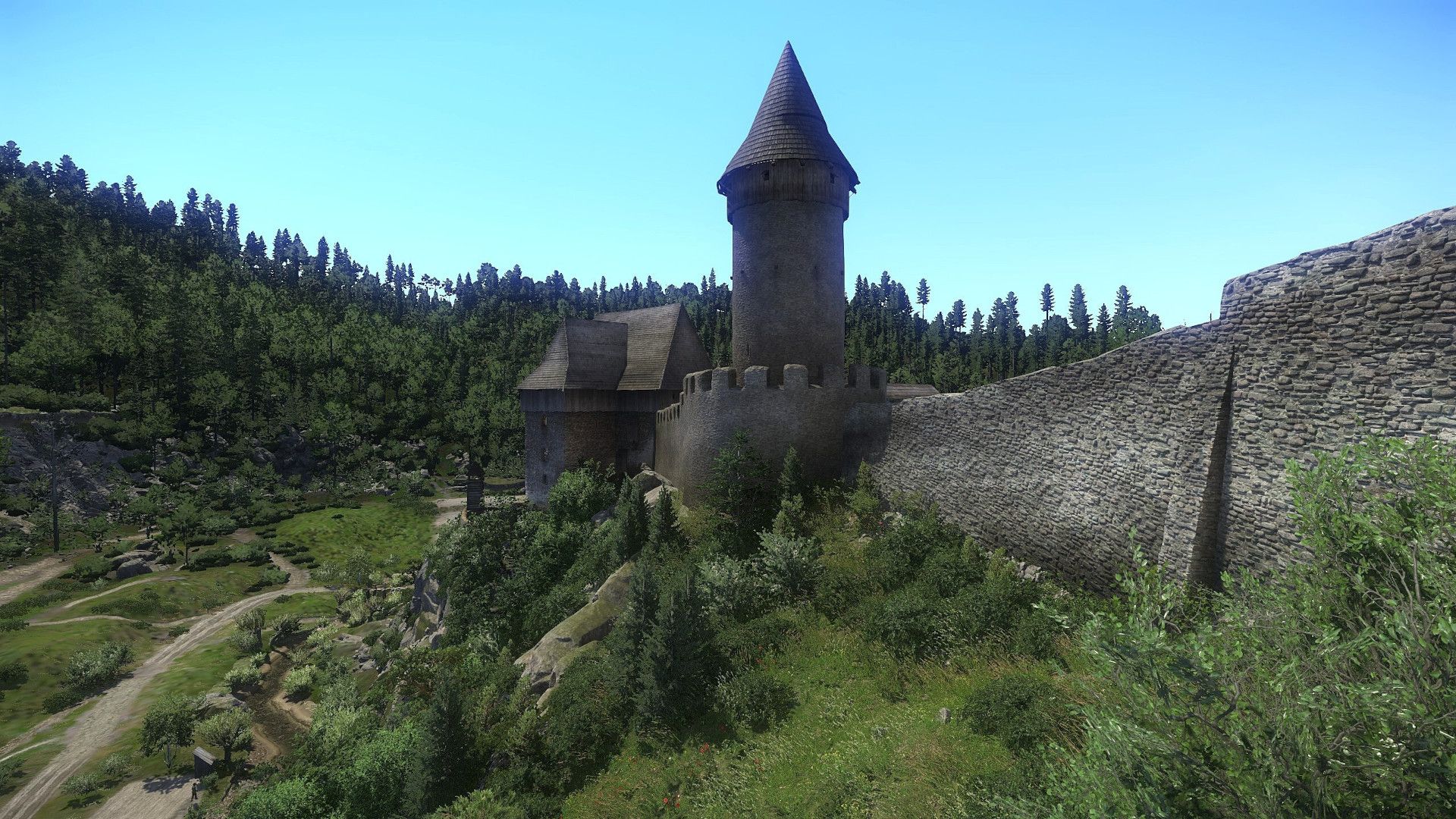
Warhorse Studios is giving back to the resources that shaped the game

Or you weigh more expensive fresh fruits & veggies as cheaper ones.